Cost-Effective School Excursions in Melbourne: Programmes Under $15 Per Student
Excursion budgets are tight. But Melbourne has dozens of excellent programmes for $15 or less per student. Here are fifteen that deliver real educational value without requiring creative accounting or fundraising.
By Johnny Paul
Published on 30 April 2025
There's a quiet assumption in education that if something's cheap, it's probably not very good.
But across Melbourne, some of the best excursion programmes cost less than what most families spend on weekend cinema tickets. Not because they're cutting corners. But because they're subsidised, or run by institutions with education missions, or designed to be accessible to as many schools as possible.
The challenge isn't finding affordable excursions. It's knowing which ones are actually worth your time.
So here are some Melbourne programmes that cost $15 or less per student and deliver genuine educational value. They're loosely organised by subject area, but many cross multiple curriculum strands. I've included what they cost, who they're suited for, and what makes them work.
Arts and culture
Heide Museum of Modern Art: Connect to Art Exhibition Tours
K–Year 10 | $10 per student
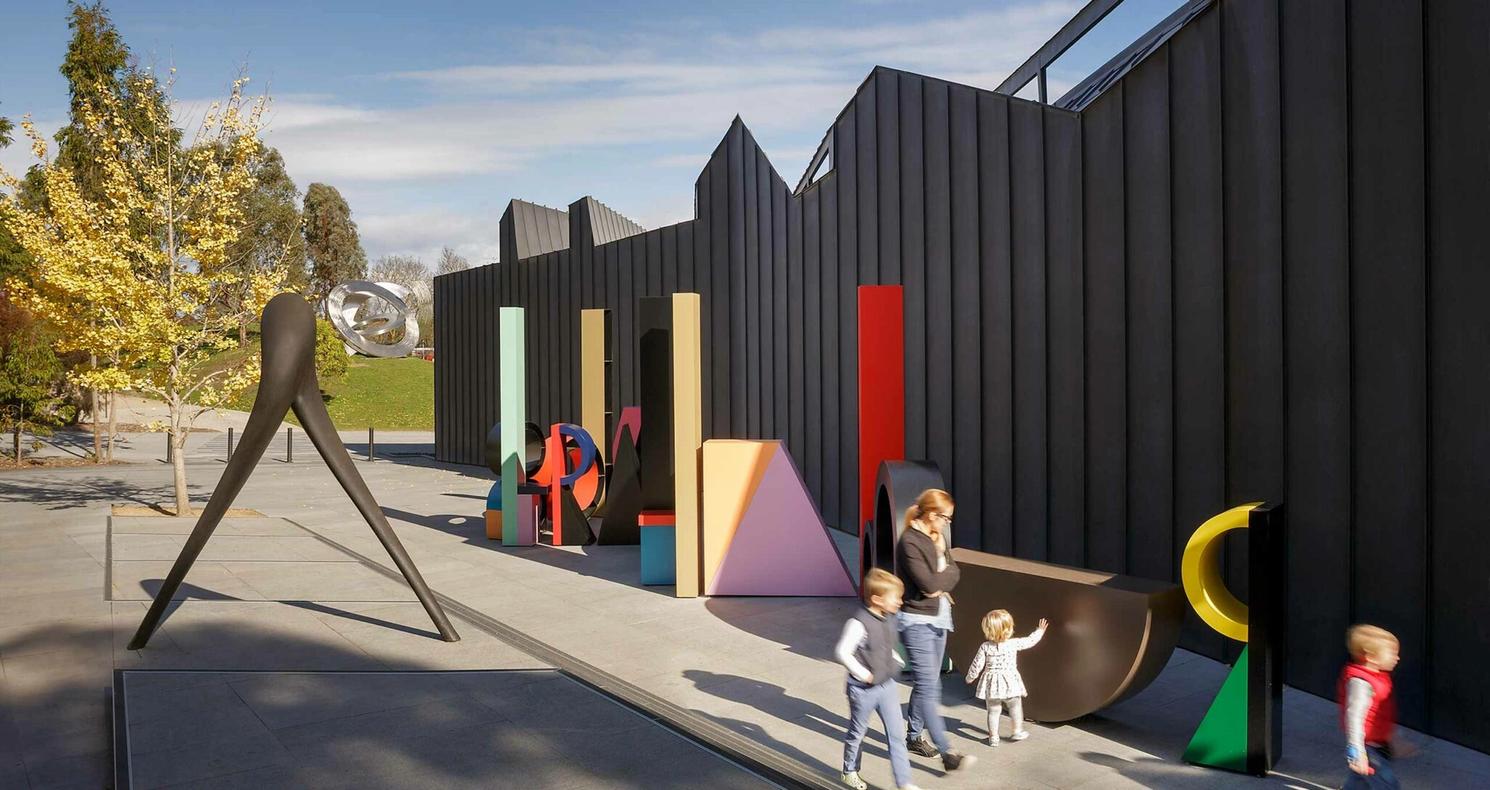
Heide runs educator-led tours through their contemporary art exhibitions in small groups. The guides are trained to ask questions rather than lecture, which means students develop their own interpretations instead of being told what to think.
The tours can be tailored to focus on specific techniques, themes, or curriculum links. And because the museum sits in beautiful gardens with interesting architecture, there are interdisciplinary opportunities beyond the gallery walls.
For $10, it's one of the better contemporary art experiences in Melbourne.
Centre for Contemporary Photography: In the Shadows
K–Year 12 | $10 per student
This programme introduces photography as both art and communication. Students explore current exhibitions with guides who facilitate discussions about visual literacy, composition, and how images shape meaning.
It connects to Visual Arts, Media Arts, and English outcomes around visual communication. And because it's photography-focused, it tends to engage students who might not naturally connect with traditional gallery experiences.
Como House: Guided Tour
K–Year 12 | $9 per student
Como House is a National Trust property in South Yarra, preserved as it was in the Victorian era. The guided tours can focus on architecture, design, social history, or the lives of the people who lived and worked there.
For Year 11 and 12 students studying design or history, it's a tangible example of period aesthetics. For younger students, it's an immersive step into Melbourne's past. At $9 per student, it's also one of the more affordable historic house experiences in the city.

Heide Museum of Modern Art
Heide Learning Programs offer accessible, high quality opportunities for Victorian primary and secondary students to engage with a diverse range of modern and contemporary art. All programs are devised in collaboration with teachers to align with curriculum goals in F-10. Programs are tailored to suit specific learning goals.

Centre for Contemporary Photography
Through exhibitions, education and publishing, Centre for Contemporary Photography (CCP) places contemporary Australian photography and video in conversation with significant historical and international practice, expanding the context for current Australian lens-based arts. We support artists by providing educational experiences for aspiring creators, exhibition opportunities for early-career artists, commissioned research projects for mid-career artists, and opportunities for established artists to experiment and take risks. CCP has played a pivotal role in the development of lens-based arts and public engagement with photography. In 2005, CCP relocated to purpose designed premises by Sean Godsell Architects. Our exhibition program is presented across five gallery spaces, including the Night Projection Window viewed from the street after dark.

Como House and Garden
Built in 1847, Como House and Garden is an intriguing mix of Australian Regency and classic Italianate architecture.
Como offers a glimpse into the privileged lifestyle of former owners, the Armytage family, who lived there for nearly a century.
The Armytages became famous amongst Melbourne high society and equally famous for their many elegant dances, dinners and receptions. Those elegant dining and reception rooms are still furnished with Armytage family heirlooms and even the servant’s areas, kitchen and laundry have been preserved.
Science and environment
Royal Botanic Gardens: Multiple Programmes
K–Year 6 | $13.50–$15 per student
The Botanic Gardens runs several programmes just under the $15 threshold, and they're consistently excellent.
Scents and Senses (K–Year 2, $13.50) takes young students through the gardens using all five senses, building observation skills and scientific vocabulary.
Health and Wellbeing in Nature (K–Year 6, $13.50) explores the physical and emotional benefits of time outdoors, supporting both science and health curriculum.
You and Me, Murrawee (Kindergarten, $15) introduces Aboriginal culture and the Eastern Kulin Nation through stories and hands-on activities.
Garden Art (K–Year 6, $13.50) combines science and art, encouraging students to create work inspired by natural patterns and materials.
All programmes include pre- and post-visit resources, and the educators know how to engage students in meaningful activity rather than passive observation. The gardens themselves are extraordinary learning environments, which doesn't hurt.
Melbourne Skydeck: Self-Guided Programmes
K–Year 10 | $15 per student
The Skydeck offers self-guided programmes with curriculum-linked resources for science, humanities, and technologies. Students use viewfinders to identify landmarks and geographical features, then complete activities that connect the experience to classroom learning.
It's not facilitated, which means you need to do more of the teaching work yourself. But the resources are solid, and the vantage point is genuinely unique. For Year 7 and up studying geography or urban environments, it's a perspective you can't get anywhere else in Melbourne.

Royal Botanic Gardens Victoria
Royal Botanic Gardens Melbourne has been a treasured part of Melbourne’s cultural life for more than 170 years – much loved by generations of Victorians, as well as by many visitors from interstate and overseas. It is a picturesque haven for recreation and an important resource for education, conservation, science and horticulture.
Melbourne Gardens extends over 38 hectares and houses a collection of more than 8,500 species of plants from around the world, including amazing and diverse plant collections such as camellias, rainforest flora, cacti and succulents, roses, Californian species, herbs, perennials, cycads, plants from Southern China and, in the Rare and Threatened Species Collection, plants from south-eastern Australia.

Melbourne Skydeck
Located in the city's heart, Melbourne Skydeck captures everything special about Melbourne and beyond.
Featuring the Southern Hemisphere’s highest observation deck, the Melbourne Skydeck experience dazzles, entertains and informs through its spectacular and ever-changing views, state-of-the-art virtual and augmented reality technology, and Melbourne Skydeck App.
The multi-million-dollar Voyager Theatre is the first of its kind in the Southern Hemisphere, taking guests on a voyage of discovery through Melbourne and Victoria in glorious Super high-definition 8K video with 6D sensory immersion.
Conclude your experience at Bar 88 with a delicious array of drinks and snacks. This is Melbourne on another level.
Humanities and social sciences
Museum of Chinese Australian History: School Tour
K–Year 12 | $10 per student
This museum tells the story of Chinese migration to Australia, the contributions of Chinese Australians, and the challenges they faced. The tour is particularly strong on Gold Rush history and the development of Melbourne's Chinatown.
It supports curriculum outcomes around migration, cultural diversity, and civics. And because Chinatown itself is a living cultural precinct, there are opportunities to extend the learning beyond the museum walls.
Chinatown Walking Tour
K–Year 12 | $10 per student
This guided walk explores Melbourne's Chinatown, the oldest continuously settled Chinatown streetscape in the Western world. Students learn about migration patterns, cultural landmarks, and how the precinct has evolved over 170 years.
It's a good complement to the museum tour (above), or it works on its own as part of units on migration, urban development, or cultural diversity.
Queen Victoria Market: Market Discovery Tour
K–Year 10 | $15 per student
The Queen Vic Market tour covers history, architecture, food systems, trade, and cultural exchange. Younger students focus on sensory experience and where food comes from. Older students can dig into economics, business, and sustainability.
The market itself is chaotic and sensory and alive in ways that classroom learning rarely is. That's part of what makes it work.
Islamic Museum of Australia: Multiple Packages
Years 1–12 | From $8–$10 per student
The Islamic Museum runs several affordable programmes, and they fill gaps that many Australian students never encounter in their history education.
The Boundless Plains Package (Years 4–10, from $8) explores diversity, migration, and identity. The Art Package (Years 1–12, from $8) focuses on Islamic art traditions and their global influence. The Medieval Europe and Islam Package (Years 7–12, from $10) examines Islamic contributions to science, medicine, and philosophy during the Middle Ages while Europe was in the so-called Dark Ages.
These programmes promote intercultural understanding and religious literacy at a time when both are increasingly important. And at $8 to $10 per student, they're among the most affordable museum experiences in Melbourne.

Museum of Chinese Australian History
The Chinese Museum’s building, located in the heart of Chinatown, was built by the Cohen Bros. in 1890 and used originally as a furniture warehouse. It was acquired in 1984 by the Victorian State Government to enable the establishment of a Museum to provide the heritage and cultural foundation for Melbourne’s Chinatown.
The Museum of Chinese Australian History was established in 1985 as a not-for-profit organization. The organization has an elected board of directors and operates with approximately 15 core staff.
The Museum has built up a collection of over 8,000 items of Chinese Australian heritage, which have been donated – many being from Chinese Australians who have a long family history in Australia.

Chinatown Melbourne
Chinatown, a renowned and historic district in Melbourne, holds a special place in the city's heritage, tracing its roots back to the gold rush era of the 1850s. As the oldest continuous Chinese settlement in the western hemisphere, Chinatown Melbourne stands as a testament to the enduring cultural influence of the Chinese community. The heart of this vibrant enclave lies along Little Bourke Street, bustling with activity and serving as the focal point for visitors and locals alike. Adorned with ornate architectural features and adorned with vibrant red lanterns, Chinatown exudes an exotic charm that transports visitors to a different world.
A network of enchanting alleys interconnects the district, seamlessly linking Chinatown to Bourke Street and Lonsdale Street. These alleyways add an element of mystery and allure, beckoning explorers to venture deeper into the cultural tapestry of the area. From traditional Chinese restaurants serving delectable cuisine to bustling markets selling a variety of goods and trinkets, Chinatown offers an immersive experience that engages all the senses.

Queen Victoria Market
Officially opened on 20 March 1878, the Market has been serving the people of Melbourne for more than 140 years. The Market has seen many transformations and was added to the National Heritage List in recognition of its links to the early colonial population of Melbourne and its ability to demonstrate the principal characteristics of a 19th-century metropolitan produce market.
Also known affectionately as ‘Vic Market’ or ‘Queen Vic’, the Queen Victoria Market has been the heart and soul of Melbourne for more than a century. A historic landmark spread over two city blocks, it’s a vibrant and bustling inner-city market where you can shop at over 600 small businesses for everything from Australian fruit and vegetables to local and imported gourmet foods, clothing and souvenirs.

Islamic Museum of Australia
Founded in May 2010, the Islamic Museum of Australia was established as the first of its kind in Australia. The Museum is dedicated to sharing education and cross cultural experiences with a mission to foster deeper understanding between Muslims and non-Muslims.
Performing arts and literacy
Meerkat Productions: School Performances
K–Year 8 | From $6.95 per student
Meerkat Productions stages professional theatre performances at genuinely affordable prices. Programmes like Mr Huff and Anti-bullying: Bully Bull Ring combine engaging storytelling with social-emotional themes.
Each one-hour show includes a Q&A session and a behind-the-scenes look at production elements. Teacher resource packs extend the learning beyond the performance. And at $6.95 per student, it's one of the most cost-effective ways to bring live theatre to your school.
Australian Shakespeare Company: School Performances
Years 7–12 | From $13 per student (minimum booking requirements apply)
The Australian Shakespeare Company performs condensed versions of Shakespeare's plays designed for student audiences. The productions are accessible without dumbing down the text, and they include introductions to help students contextualise what they're seeing.
Performances can happen at your school or at designated venues. Supporting resources help connect the text to curriculum requirements. If you're teaching Shakespeare and want students to see it performed rather than just read it on the page, this is one of the more affordable options.

Meerkat Productions
Our role (and our passion) is to empower children by entertaining them with theatre. We focus on providing programs that celebrate literacy and also student wellbeing. Our shows enable students and teachers to engage in conversations and our free teacher resources enable them to handle the discussion effectively.

Australian Shakespeare Company
The Australian Shakespeare Company’s education program inspires a new dynamic engagement with theatre texts. Delivering school incursions and professional development across Victoria and New South Wales, shake-up your classroom with our unique and proven performances.
The company in it's current form began life as Shakespeare Under the Stars in 1987 under the direction of Glenn Elston, who pioneered the experience of outdoor theatre in Australia. Glenn joined the Australian Shakespeare Company in 1998 as Artistic Director and Producer. He has since developed the company into Australia’s largest independent theatre company.
Over the last thirty-years Glenn’s award winning annual outdoor productions of William Shakespeare’s texts and The Wind in the Willows have played to over a million people within Australia. The Australian Shakespeare Company performs and tours from regional cities, to remote and outback settings. Performance spaces range from Melbourne and Sydney’s Royal Botanic Gardens to Kakadu National Park and Beswick Falls in the Northern Territory. Audiences include families, seniors, tourists, students and young professionals, all of whom experience the magic of outdoor performances with some of Australia’s finest professional performers and creative artists.
What makes an affordable excursion worth it?
Price isn't the only consideration. A $10 excursion that doesn't connect to your curriculum or engage your students isn't good value, even if it's cheap.
The programmes on this list work because they do a few things well:
They align clearly with curriculum outcomes. You're not guessing about relevance. The connection is explicit.
They're led by people who know how to work with students. Guides and educators who can facilitate rather than just talk at a class make an enormous difference.
They include supporting resources that help you prepare students beforehand and extend learning afterward. A $10 excursion that comes with solid pre- and post-visit materials can shape weeks of classroom work.
They respect students' intelligence. The best affordable programmes don't assume that "cheap" means "basic." They engage students with complex ideas in accessible ways.
And they make the abstract concrete. They give students experiences they couldn't have in a classroom, whether that's standing in a Victorian-era mansion, watching live theatre, or exploring a historic market.
How to actually plan on a budget
If excursion funding is tight (and it usually is), a few strategies seem to help:
Plan the whole year at once. Map out excursions across all year levels to distribute costs and avoid budget surprises. Planning ahead also lets you book early, which sometimes unlocks discounts or preferred dates.
Look for programmes with strong supporting materials. The difference between a one-hour excursion and a two-week unit is often the quality of pre- and post-visit resources. Providers who give you solid teaching materials are extending the value well beyond the day itself.
Consider transport costs. A $10 excursion in the CBD might cost $40 per student once you factor in buses. But if you're near a train line, Melbourne's school transport programme can significantly reduce costs. Plan excursions around accessible transport where possible.
Batch bookings if you can. If multiple classes are studying the same content, see if you can book back-to-back sessions on the same day. Some providers offer discounts for multiple bookings, and it saves on transport.
Build relationships with venues. Education officers at museums, galleries, and cultural institutions often have flexibility around pricing or can suggest less expensive alternatives. If you're planning to return year after year, it's worth having those conversations.
Investigate subsidies. Various organisations offer grants or subsidies for school excursions, particularly for disadvantaged schools or regional students visiting Melbourne. It's worth asking your leadership team if these exist.
Loose organisation by year level
If you're looking for something specific to your students:
Early years (K–Year 2):
Scents and Senses (Royal Botanic Gardens), You and Me Murrawee (Royal Botanic Gardens), Meerkat Productions performances, Como House, Chinese Museum
Middle years (Years 3–6):
Garden Art (Royal Botanic Gardens), Health and Wellbeing in Nature (Royal Botanic Gardens), Queen Vic Market tour, Heide Museum tours, Chinatown tour, Islamic Museum packages, Meerkat Productions
Secondary (Years 7–12):
Centre for Contemporary Photography, Melbourne Skydeck, Islamic Museum, Medieval Europe package, Australian Shakespeare Company, Chinese Museum, Queen Vic Market (for older focus on economics/sustainability)
These aren't rigid. Many programmes work across multiple year levels. But it gives you a starting point.
Final thoughts
Budget constraints are real, and they limit what schools can do. But they don't have to limit learning.
Melbourne has an unusual concentration of cultural institutions, historic sites, and education providers who are genuinely committed to making quality programmes accessible. That's not true everywhere, and it's worth acknowledging.
The fifteen programmes on this list represent a fraction of what's available for $15 or less. But they're a solid starting point if you're trying to plan meaningful excursions without creative accounting or fundraising.
The best affordable excursions aren't just cheaper versions of expensive ones. They're programmes designed from the ground up to deliver educational value at a price point that works for most schools.
And when they're done well, they can shape how students see the world just as powerfully as any premium experience.
That's what makes them worth finding.
'%3e%3cpath%20d='M12%2021C16.9706%2021%2021%2016.9706%2021%2012C21%207.02944%2016.9706%203%2012%203C7.02944%203%203%207.02944%203%2012C3%2016.9706%207.02944%2021%2012%2021Z'%20stroke='%23FEFDFB'%20stroke-width='1.5'%20stroke-linecap='round'%20stroke-linejoin='round'/%3e%3cpath%20d='M15.75%208.25H14.25C13.6533%208.25%2013.081%208.48705%2012.659%208.90901C12.2371%209.33097%2012%209.90326%2012%2010.5V21'%20stroke='%23FEFDFB'%20stroke-width='1.5'%20stroke-linecap='round'%20stroke-linejoin='round'/%3e%3cpath%20d='M9%2013.5H15'%20stroke='%23FEFDFB'%20stroke-width='1.5'%20stroke-linecap='round'%20stroke-linejoin='round'/%3e%3c/g%3e%3cdefs%3e%3cclipPath%20id='clip0_1_616'%3e%3crect%20width='24'%20height='24'%20fill='white'/%3e%3c/clipPath%3e%3c/defs%3e%3c/svg%3e)
'%3e%3cpath%20d='M13.3332%2017.5001C15.6344%2017.5001%2017.4998%2015.6346%2017.4998%2013.3334C17.4998%2011.0322%2015.6344%209.16675%2013.3332%209.16675C11.032%209.16675%209.1665%2011.0322%209.1665%2013.3334C9.1665%2015.6346%2011.032%2017.5001%2013.3332%2017.5001Z'%20stroke='%23FEFDFB'%20stroke-width='1.66667'%20stroke-miterlimit='10'/%3e%3cpath%20d='M18.3335%203.33325H8.3335C5.57207%203.33325%203.3335%205.57183%203.3335%208.33325V18.3333C3.3335%2021.0947%205.57207%2023.3333%208.3335%2023.3333H18.3335C21.0949%2023.3333%2023.3335%2021.0947%2023.3335%2018.3333V8.33325C23.3335%205.57183%2021.0949%203.33325%2018.3335%203.33325Z'%20stroke='%23FEFDFB'%20stroke-width='1.66667'%20stroke-linecap='round'%20stroke-linejoin='round'/%3e%3cpath%20d='M18.75%209.16675C19.4404%209.16675%2020%208.6071%2020%207.91675C20%207.22639%2019.4404%206.66675%2018.75%206.66675C18.0596%206.66675%2017.5%207.22639%2017.5%207.91675C17.5%208.6071%2018.0596%209.16675%2018.75%209.16675Z'%20fill='%23FEFDFB'/%3e%3c/g%3e%3cdefs%3e%3cclipPath%20id='clip0_36_178'%3e%3crect%20width='26.6667'%20height='26.6667'%20fill='white'/%3e%3c/clipPath%3e%3c/defs%3e%3c/svg%3e)
'%3e%3cpath%20d='M20.25%203H3.75C3.33579%203%203%203.33579%203%203.75V20.25C3%2020.6642%203.33579%2021%203.75%2021H20.25C20.6642%2021%2021%2020.6642%2021%2020.25V3.75C21%203.33579%2020.6642%203%2020.25%203Z'%20stroke='%23FEFDFB'%20stroke-width='1.5'%20stroke-linecap='round'%20stroke-linejoin='round'/%3e%3cpath%20d='M11.25%2010.5V16.5'%20stroke='%23FEFDFB'%20stroke-width='1.5'%20stroke-linecap='round'%20stroke-linejoin='round'/%3e%3cpath%20d='M8.25%2010.5V16.5'%20stroke='%23FEFDFB'%20stroke-width='1.5'%20stroke-linecap='round'%20stroke-linejoin='round'/%3e%3cpath%20d='M11.25%2013.125C11.25%2012.4288%2011.5266%2011.7611%2012.0188%2011.2688C12.5111%2010.7766%2013.1788%2010.5%2013.875%2010.5C14.5712%2010.5%2015.2389%2010.7766%2015.7312%2011.2688C16.2234%2011.7611%2016.5%2012.4288%2016.5%2013.125V16.5'%20stroke='%23FEFDFB'%20stroke-width='1.5'%20stroke-linecap='round'%20stroke-linejoin='round'/%3e%3cpath%20d='M8.25%209C8.87132%209%209.375%208.49632%209.375%207.875C9.375%207.25368%208.87132%206.75%208.25%206.75C7.62868%206.75%207.125%207.25368%207.125%207.875C7.125%208.49632%207.62868%209%208.25%209Z'%20fill='%23FEFDFB'/%3e%3c/g%3e%3cdefs%3e%3cclipPath%20id='clip0_1_621'%3e%3crect%20width='24'%20height='24'%20fill='white'/%3e%3c/clipPath%3e%3c/defs%3e%3c/svg%3e)